Twickenham Capacity, and the £100m Rename
On this page6
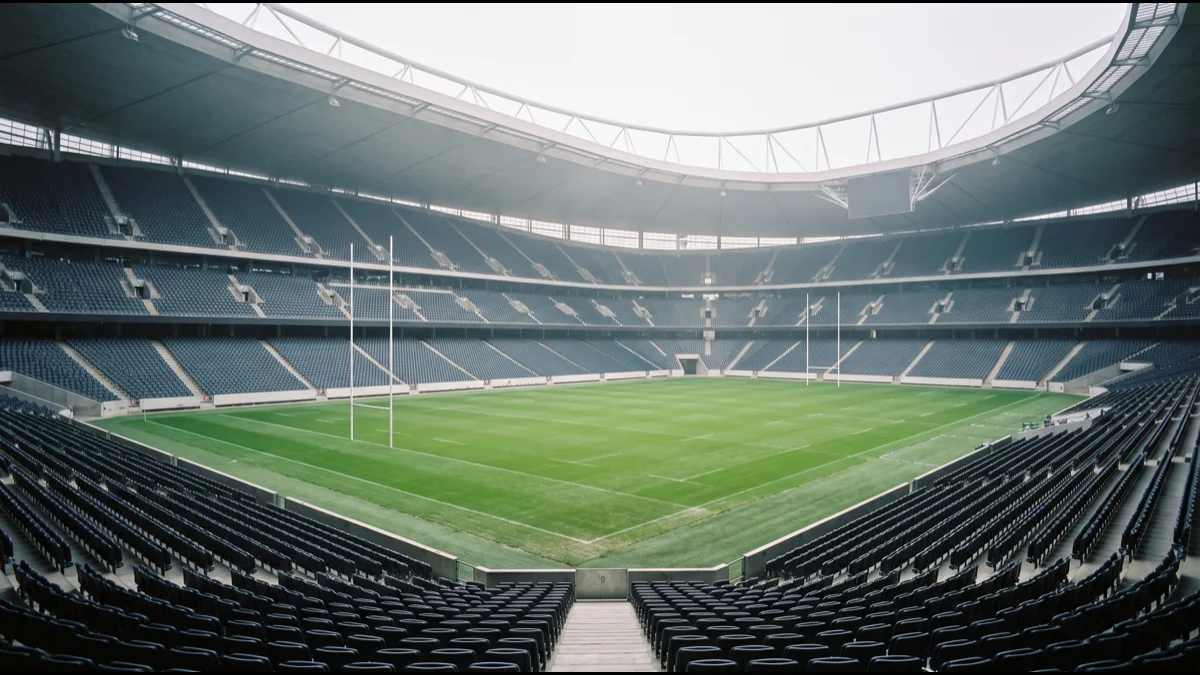
Twickenham holds 82,000, which makes it the largest stadium built specifically for rugby union anywhere in the world and the second largest stadium of any kind in the UK.
In September 2024 it became Allianz Stadium under a £100 million, ten-year naming-rights deal — the first rebrand in the venue’s 115-year history.
| Capacity | 82,000 |
| Opened | 1909 |
| Owner | Rugby Football Union (RFU) |
| Current name | Allianz Stadium, since September 2024 |
| Naming-rights deal | £100 million over 10 years |
| Rank in UK | 2nd, behind Wembley |
| Rank in Europe | 5th |
The £100 million rename, and why it was contentious
For 115 years the ground was simply Twickenham. Selling that ended in 2024, and it was not a quiet transaction — the RFU’s chief executive publicly rejected the charge that the union had sold out, and the deal drew significant comment across the sport.
The commercial logic is straightforward. The RFU owns the stadium outright, so £100 million over a decade flows to the governing body and, in principle, into the game rather than to a private owner.
The counter-argument is about heritage. Twickenham is one of a small number of grounds whose name carries as much recognition as the sport played there, and that is precisely why it commanded nine figures. It is also worth noting that the same negotiation reportedly ended Allianz’s parallel talks with West Ham over the London Stadium.
The contrast with Wembley and Old Trafford
Twickenham’s decision looks sharper next to the two grounds either side of it in the UK rankings, because neither has ever sold its name.
| Stadium | Capacity | Naming rights |
|---|---|---|
| Wembley | ~90,000 | Never sold; sponsored as “connected by EE” |
| Twickenham | 82,000 | Sold 2024, £100m / 10 years |
| Old Trafford | ~74,310 | Never sold |
Wembley is owned by the FA and Old Trafford by a commercially aggressive club — see Wembley Stadium capacity and Old Trafford capacity — and both have held the line on the name while selling almost everything else. Barcelona took the middle route, placing a sponsor in front of the historic name at Spotify Camp Nou.
Three different answers to the same question, at three of Europe’s largest grounds. Our ranking of the biggest stadium naming rights deals sets out what each one is actually worth per year, and why the English figures are not comparable with the American ones.
Where it ranks
Second in the UK, behind Wembley’s 90,000 and ahead of Old Trafford. Fifth in Europe, ahead of Signal Iduna Park and the Stade de France, as set out in our ranking of the largest stadium in Europe.
The comparison people ask about most is Croke Park, and it is genuinely close: 82,300 against 82,000. Croke Park is a Gaelic games stadium, so Twickenham keeps the “largest rugby union ground in the world” claim while sitting a few hundred seats behind on raw capacity.
Left out of Euro 2028
Twickenham is the second largest ground in the Euro 2028 host nations and is not a tournament venue.
The reason is practical rather than political — it is built for rugby, with pitch dimensions and infrastructure to match. But it puts Twickenham in notable company: Croke Park (82,300), Old Trafford (~74,310) and Murrayfield (67,144) were also passed over, all of them larger than seven of the nine grounds selected. Our guide to the Euro 2028 venues sets out the full list.
You cannot buy a ticket for England here
This is the most practically useful thing about Twickenham, and it surprises most people.
The RFU distributes tickets for major internationals only through registered rugby clubs, which receive an allocation and ballot it among their members. There is no public general sale. Club membership is effectively the route in, and residents of certain local postcodes can register a free Twickenham Residents membership to enter ballots instead.
Along with Royal Ascot’s Royal Enclosure, it is one of only two access systems we have found in premium sport where a willing buyer genuinely cannot purchase entry. The full mechanism, including the club window dates, is in our guide to Six Nations tickets.
The tournament it hosts pays its champions nothing at all — our guide to Six Nations prize money explains where the money goes instead.
How we checked these numbers
Capacity, opening date and ownership are from Wikipedia’s Twickenham entry. The £100 million ten-year naming-rights deal, the September 2024 rebrand date, the RFU chief executive’s response and the West Ham detail are from SportsPro and Mondaq’s reporting of the agreement. The ticket distribution mechanism is from England Rugby’s own club ticketing guidance, and the Euro 2028 venue list from UEFA.
The 82,000 figure is the standard rugby configuration. Concert capacities differ and are not comparable.
Review class: stable, with event-driven triggers — recheck on any capacity revision, at the end of the Allianz deal term, or if the Euro 2028 venue list changes.
Frequently asked questions
What is Twickenham's capacity?+
82,000, which makes it the largest dedicated rugby union stadium in the world and the second largest stadium in the UK behind Wembley's 90,000. It is also inside the top five stadiums in Europe by capacity, ahead of grounds like Signal Iduna Park and the Stade de France.
Is Twickenham now called Allianz Stadium?+
Yes. Allianz acquired the naming rights in a £100 million, ten-year deal, and the ground has been Allianz Stadium since September 2024. It was the venue's first rebrand since it opened in 1909, and the RFU's chief executive publicly defended the decision against accusations of selling out.
Who owns Twickenham?+
The Rugby Football Union, English rugby's governing body. Like the FA at Wembley, the RFU owns its own national stadium outright rather than renting it — which is why the naming-rights income goes directly to the governing body and into the sport.
When did Twickenham open?+
1909. That makes it more than 115 years old and one of the oldest major stadiums still in continuous international use, though it has been substantially rebuilt in stages since. The 2024 naming-rights deal was its first rebrand in that entire history.
Is Twickenham bigger than Croke Park?+
No, but they are close. Croke Park in Dublin holds about 82,300 against Twickenham's 82,000. Croke Park is a Gaelic games stadium, so Twickenham remains the largest ground built specifically for rugby union anywhere in the world.
Why is Twickenham not a Euro 2028 venue?+
It is a rugby union stadium, with pitch dimensions and infrastructure built for a different sport. Despite being the second largest ground in the host nations, it was not selected — as were Croke Park, Old Trafford and Murrayfield, all larger than most of the nine venues chosen.
Can you buy tickets for England games at Twickenham?+
Not directly. The RFU distributes tickets for major internationals only through registered rugby clubs, which receive an allocation and ballot it among members. There is no public general sale, so club membership is effectively the route in — or a free Twickenham Residents membership if you live in certain local postcodes.
Sources
- Wikipedia: Twickenham Stadium
- SportsPro: RFU has not sold out after £100m deal to rename Twickenham, says CEO
- Mondaq: Twickenham stadium naming rights sold for the first time for over £100 million
- England Rugby: information for clubs, Six Nations ticketing
- UEFA: EURO 2028 host cities and stadiums venue guide
Related stadiums & arenas guides
View all →
Biggest Stadium Naming Rights Deals, and What They Hide
SoFi paid $625m over 20 years, the largest stadium naming deal ever. Why Emirates and Etihad figures aren't comparable, and the grounds that never sold.
Largest NFL Stadiums 2026: All 30 Ranked by Capacity
MetLife Stadium is the largest NFL stadium at 82,500. All 30 venues ranked with capacity, year opened, construction cost and naming-rights holder.
Principality Stadium Capacity: 73,931 and a Roof
Cardiff holds 73,931 for rugby and about 78,000 for boxing. And the famous rule that both teams must agree to close the roof no longer applies.
Wembley Stadium Capacity, Cost and Who Owns It
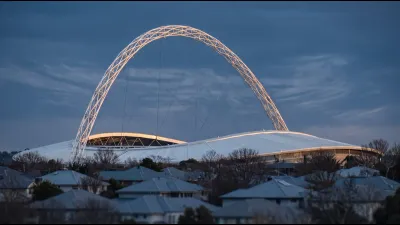
Wembley holds 90,000 — the UK's largest. What it cost to build, who owns it, why the arch exists, and how the capacity changes by event.
Anfield Capacity: 45,000 to 61,000 Without Moving
Anfield grew by 16,000 seats in 13 years through two stand rebuilds. At roughly $10,300 a seat it is half the cost per seat of a new stadium.
Signal Iduna Park Capacity: 81,365 or 65,829
Germany's largest stadium holds 81,365 for the Bundesliga and 65,829 for UEFA matches. The 15,536-seat gap is the Yellow Wall being sat down.