Six Nations Prize Money: There Isn't Any
On this page6
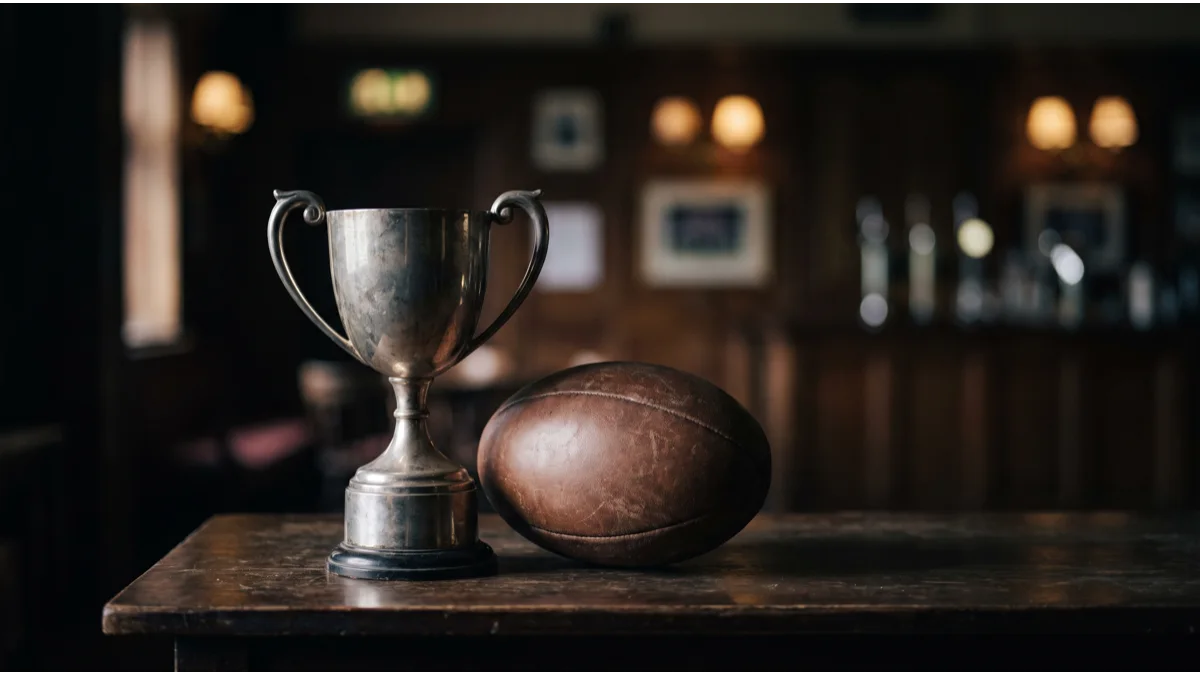
France won the 2026 Six Nations, a record eighth title, and received no prize money.
Not a reduced amount. None. The Six Nations does not operate a prize fund, which is why searching for the figure returns trophy lists instead of numbers.
| What the winners get | |
|---|---|
| Championship Trophy | Awarded since 1993 |
| Calcutta Cup | England v Scotland |
| Triple Crown | A home nation beating all three others |
| Prize money | £0 |
Where the money actually went
The Six Nations has been through the largest financial transaction in its history, and it had nothing to do with paying the teams.
In March 2021, CVC Capital Partners bought a 14.3% stake — one seventh — of future broadcast revenues. In return it committed a guaranteed minimum of £305 million, rising to up to £365 million, paid to the six unions in annual instalments between 2021 and the 2025-26 season.
Every major North American league has since written its own rules for the same investors, from the NFL’s 10% cap to the NBA’s eight-team limit — set out in our guide to private equity in sports.
Those instalments have now finished. Almost every article about this deal is written in the future tense; the payment schedule ran to the season that has just completed.
The unions retain six sevenths of their future broadcast revenues. They sold a minority share of future income, not the tournament.
Who got what
Distribution was by market size, not by results — the opposite of how prize money works.
| Union | Reported share |
|---|---|
| England (RFU) | Largest |
| France | Second largest |
| Ireland (IRFU) | up to £48m (€56m) |
| Scotland, Wales | broadly similar to Ireland |
| Italy | Smallest |
A team that finishes last receives the same distribution as it would finishing first. Nothing in this structure rewards winning, which is the cleanest possible illustration of what the Six Nations is: a broadcast property owned by six national unions, not a competition with a purse.
Against every other competition on this site
The comparison is stark, and it is not a criticism.
| Competition | Winner receives |
|---|---|
| World Darts Championship | £1,000,000 |
| World Snooker Championship | £500,000 |
| FA Cup final | £2,000,000 |
| Grand National | £500,000 |
| Six Nations | £0 |
Winning the FA Cup final pays £2 million. Winning the World Darts Championship pays £1 million. Winning the oldest international championship in rugby union pays nothing at all.
Golf’s team events run the same way: the Solheim Cup pays $0 to either side, and only the American Ryder Cup team receives anything — see our guide to Solheim Cup prize money.
That is a genuine structural difference. The Six Nations is contested by national unions, not clubs or individuals — there is no entity for a prize cheque to be paid to that is not already receiving the tournament’s revenue by another route. Paying the RFU prize money would mean the tournament paying one of its own owners.
The coaches are paid, if modestly by football’s standards — Ireland’s Andy Farrell tops the sport at a reported £800,000, set out in our guide to the highest paid rugby coaches.
The same investors, a different door
CVC’s arrival is not an isolated rugby story. It is the same movement documented across our ownership coverage.
Private equity and sovereign wealth now hold four of the eleven Formula 1 teams, eleven of twenty clubs in the Premier League are American-owned, and one group holds thirteen football clubs at once in our guide to multi-club ownership.
Rugby’s version was quieter and more precise: not the sport, not the teams, just a slice of the broadcast income for a fixed period. No fixtures changed hands, no union lost control, and when the instalments ended the unions kept six sevenths of what follows.
New Zealand Rugby did the same thing the same year with Silver Lake, and is now considering buying that stake back — set out in our guide to who owns the All Blacks.
Whether that was a good price for a decade of broadcast growth is the question the unions will be asked for years.
What the tournament sells instead
Not seats to the public, in the main. Six Nations tickets run through club and union allocations rather than an open sale, as our guide to Six Nations tickets sets out — Twickenham internationals are not sold to the general public at all.
So the tournament pays no prize money and does not retail most of its tickets. It is, at both ends, structured unlike almost any other major event in modern sport. It also fills some of the largest grounds in Europe doing it, including the Principality Stadium at 73,931 and Twickenham at about 82,000.
How we checked these numbers
The trophies awarded — the Championship Trophy first presented in 1993, the Calcutta Cup and the Triple Crown — are from Rugby World’s guide to Six Nations prizes, which lists the prizes on offer and includes no monetary award. France’s record eighth title in 2026 is from Wikipedia’s tournament entry. The CVC transaction — a 14.3% or one-seventh stake in future broadcast revenues, a guaranteed minimum of £305 million rising to up to £365 million, paid in annual instalments between 2021 and the 2025-26 season, with six sevenths retained by the unions — is from CVC’s own announcement, CNBC’s report and The Rugby Paper’s correction piece. The market-size distribution and Ireland’s up-to-£48 million (€56 million) share are from the same reporting.
We state that no prize money exists on the basis that none is published, by the tournament or in the rugby press coverage of what winners receive. That is a well-supported negative rather than a confirmed one; if Six Nations Rugby publishes a prize fund in future this page will be updated.
Union-by-union figures conflict between reports. England’s share has been described both as around £70 million over five years and, for the guaranteed element specifically, as £90.8 million to the RFU. Those are different measures reported at different times, and we have given the ranking rather than a single England total for that reason.
Review class: annual, event-driven. Recheck after each championship, and on any new investment or broadcast agreement.
Frequently asked questions
How much prize money do Six Nations winners get?+
None. The Six Nations does not operate a prize fund. The winners receive the Championship Trophy, and depending on results the Calcutta Cup, Triple Crown and Grand Slam recognition — but no monetary prize is paid for winning the tournament.
What do Six Nations teams actually win?+
Trophies. The Championship Trophy has been presented to the winners since 1993. The Calcutta Cup is contested between England and Scotland, and a Triple Crown is awarded to a home nation that beats all three of the others.
How do the Six Nations unions make money then?+
Through broadcast rights, ticketing and commercial income, distributed to the unions rather than paid out as prize money. In 2021 they also sold a minority stake in future broadcast revenues to the private equity firm CVC Capital Partners.
How much did CVC pay for its Six Nations stake?+
A guaranteed minimum of £305 million, rising to up to £365 million, in exchange for a 14.3% share — one seventh — of future broadcast revenues. It was paid in annual instalments to the six unions between 2021 and the 2025-26 season.
Which union received the most from the CVC deal?+
England, whose share was the largest, followed by France. Ireland's total capital proceeds were reported at up to £48 million, with Scotland and Wales receiving broadly similar amounts and Italy the smallest. Distribution was based on market size.
Do the unions still own their broadcast revenues?+
Mostly. The unions sold a minority stake covering one seventh of future broadcast revenues, so six sevenths remain with them. It was a sale of a share of future income, not of the tournament itself.
Who won the 2026 Six Nations?+
France, taking a record eighth Six Nations title. They received the Championship Trophy and no prize money, because none exists.
Sources
Related prize money guides
View all →
Darts Prize Money: £5m, and £15,000 for Losing
The 2026 World Darts Championship paid £5 million. The winner took £1 million — and every one of the 128 entrants was guaranteed £15,000.

Epsom Derby Prize Money: £2m, and Ten Places Paid
The Derby winner now takes £1 million — the Grand National's entire fund. And the payout was widened from six places to ten.
FA Cup Prize Money: £2,250 to £2,000,000
Winning a first qualifying round tie pays £2,250. Winning the final pays £2m. No other competition in football spans four orders of magnitude.
Paralympic Prize Money: Equal in the US, Half in Italy
The USA has paid Paralympians the same as Olympians since 2021 — $37,500 for gold. Italy pays more in cash but barely half its Olympic rate.

Snooker Prize Money: £2.4m for 17 Days
The World Snooker Championship pays £500,000 to the winner from a £2,395,000 fund. Darts pays double, for one night's work.

Solheim Cup Prize Money: $0, and the Ryder Cup's $500,000
Nobody is paid to play the Solheim Cup. Nor is Europe's Ryder Cup team. Only the US side receives anything — $500,000 each since 2025.