Principality Stadium Capacity: 73,931 and a Roof
On this page6
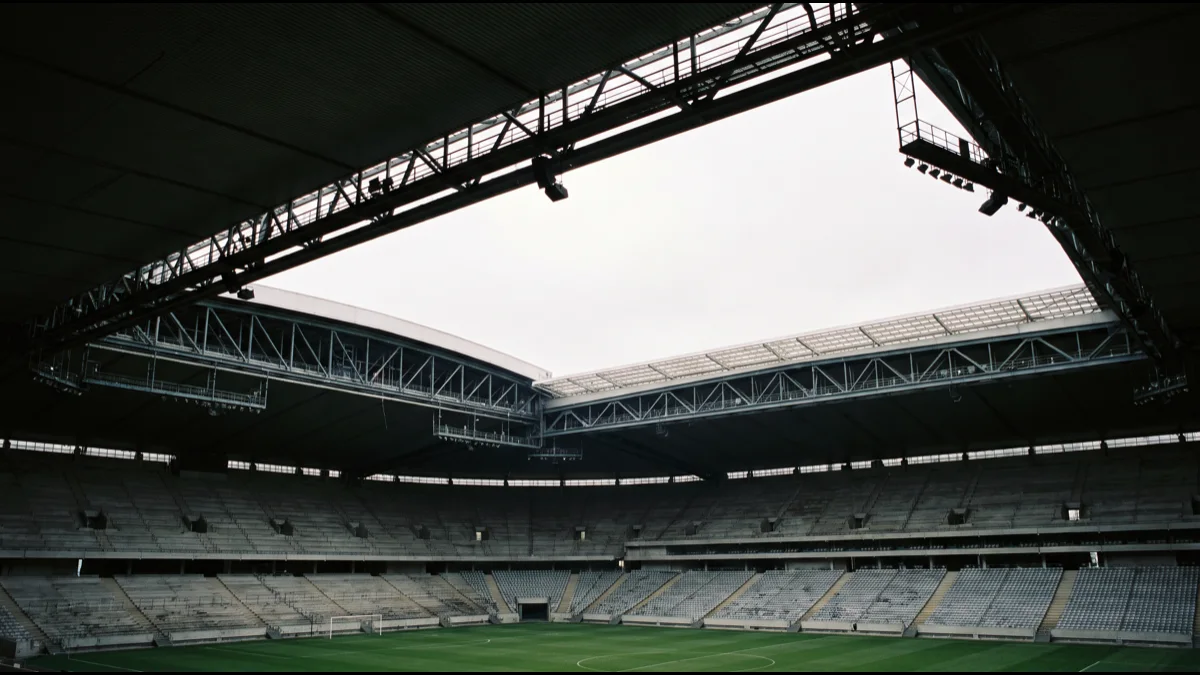
Principality Stadium holds 73,931 for rugby union and football, and around 78,000 for boxing.
And the rule almost every page about it still quotes — that both teams must agree to close the roof — no longer applies to the Six Nations.
| Rugby / football capacity | 73,931 |
| Boxing configuration | ~78,000 |
| Opened | October 1999, as the Millennium Stadium |
| Cost | £130 million |
| Roof | Fully retractable, ~20 minutes to close |
The roof rule changed and the internet did not notice
For years, closing the roof for a Six Nations match required both teams to agree. It produced an annual argument before a ball was kicked.
A change of protocol introduced ahead of the 2025 Six Nations ended that. The roof is now closed for all of Wales’ Six Nations matches in Cardiff. The visiting side no longer holds a veto in that tournament.
Search for this today and you will still mostly find the old rule, presented as current. It is the same pattern we find across this subject: a page written accurately in 2019 that nobody has revisited.
The old rule still applies outside the Six Nations, where fixture agreements are negotiated separately. So “both teams must agree” is not wrong everywhere — it is wrong about the tournament people are usually asking about.
Why anyone cared
A closed roof changes the match, and both effects favoured the home side.
Dry conditions. No rain on the ball produces faster handling rugby.
Noise. A sealed bowl of 73,931 people is dramatically louder than an open one.
The record shows teams treating it as a tactical decision rather than a weather one. England kept the roof open in February 2019 and lost 21-13, in a match on Wales’ way to a Grand Slam. Scotland asked for it open in 2024 despite a forecast of persistent light rain, then reversed their position before the game.
That is why the protocol changed. A recurring pre-match dispute about the weather was not a good look for the tournament.
Two capacities, one building
The 73,931 / 78,000 split is the same problem we keep running into with stadium figures, and it has the same cause: configuration.
Rugby and football use the pitch. Boxing puts a ring at the centre and sells seating on the floor, which adds several thousand places the standard configuration cannot.
Dortmund’s Signal Iduna Park is the extreme version — 81,365 domestically and 65,829 for UEFA matches, a gap of over 15,000 in the same concrete. Cardiff’s variance is smaller but the principle is identical.
Ask which configuration a figure describes. Our ranking of the biggest stadiums in the UK uses the standard sporting configuration throughout for exactly that reason.
Where it ranks
At 73,931 Cardiff sits behind Wembley (90,000) and Twickenham (82,000) among UK venues, and just below Old Trafford’s 74,310 — close enough that lists using a boxing figure for one and a rugby figure for the other will order them differently.
Across the continent it is well behind the leaders covered in our ranking of the largest stadium in Europe, where Camp Nou and Wembley set the scale.
What Cardiff has that none of them do is the roof. It is the only fully retractable roof of its kind in Britain, closing in about 20 minutes, and it is the reason a rugby ground also works as a concert arena and a boxing venue.
Getting in
Six Nations tickets at Cardiff are not sold the way most major events are — the allocations run through clubs and unions rather than a public sale, as our guide to Six Nations tickets sets out. That is a structural feature of the tournament, not a Cardiff quirk.
Non-tournament events are different. The stadium was selected to host the 2026 FA Community Shield on 16 August 2026, and one-off fixtures and concerts generally go on general sale in the normal way.
How we checked these numbers
The 73,931 capacity for rugby union and football, the ~78,000 boxing configuration, the October 1999 completion, the £130 million cost, the five-star UEFA rating and the roof’s ~20 minute closing time are from StadiumDB’s stadium entry and the venue’s own material. The 2026 FA Community Shield selection is from the stadium’s official announcement.
The roof protocol is the figure most often reported wrongly. The change taking effect for the 2025 Six Nations, and the earlier both-teams-must-agree requirement it replaced, are from Rugby World’s two articles on the subject, with the 2019 England and 2024 Scotland cases from Rugby World and STV News.
Review class: stable, with event-driven triggers — recheck on any capacity revision, sponsorship rename, or further change to the roof protocol.
Frequently asked questions
What is the Principality Stadium's capacity?+
73,931 for rugby union and football. In boxing configuration, with seating on the floor around a ring, it holds around 78,000 — which is why published figures for the venue differ depending on the event.
Do both teams still have to agree to close the roof?+
No. That was the rule for years and it is still repeated on most pages about the stadium, but a change of protocol introduced ahead of the 2025 Six Nations means the roof is closed for all of Wales' Six Nations matches in Cardiff. The visiting team no longer has a veto in that tournament.
How long does the Principality Stadium roof take to close?+
About 20 minutes. It is a fully retractable roof and the only one of its kind in Britain, which is a large part of why the venue is used for concerts, boxing and indoor events as well as rugby.
When was the Principality Stadium built?+
It was completed in October 1999 as the Millennium Stadium, at a cost of £130 million, and was renamed Principality Stadium under a sponsorship agreement. It holds a five-star UEFA rating.
Why did teams argue about the roof?+
Because a closed roof favours fast, dry, handling rugby and produces a much louder atmosphere, both of which were seen as advantages for Wales. England kept it open in February 2019 and lost 21-13; Scotland asked for it open in 2024 despite forecast rain before reversing their position.
Is the Principality Stadium bigger than the Millennium Stadium?+
They are the same building. Millennium Stadium was the original name from 1999; Principality Stadium is the sponsored name adopted later. Older sources using the former name describe the same venue.
What else does the Principality Stadium host?+
Football, boxing, concerts and major one-off fixtures. It was selected to host the 2026 FA Community Shield on 16 August 2026, and its retractable roof and five-star UEFA rating make it one of the most flexible large venues in the United Kingdom.
Sources
Related stadiums & arenas guides
View all →
Twickenham Capacity, and the £100m Rename
Twickenham holds 82,000 — the largest rugby union stadium in the world. Owned by the RFU, and renamed Allianz Stadium in 2024 after 115 years.
Wembley Stadium Capacity, Cost and Who Owns It
Wembley holds 90,000 — the UK's largest. What it cost to build, who owns it, why the arch exists, and how the capacity changes by event.
Anfield Capacity: 45,000 to 61,000 Without Moving
Anfield grew by 16,000 seats in 13 years through two stand rebuilds. At roughly $10,300 a seat it is half the cost per seat of a new stadium.
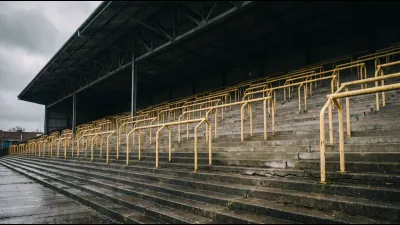
Signal Iduna Park Capacity: 81,365 or 65,829
Germany's largest stadium holds 81,365 for the Bundesliga and 65,829 for UEFA matches. The 15,536-seat gap is the Yellow Wall being sat down.
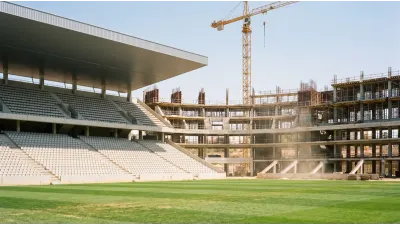
Camp Nou Capacity: 62,652 Now, 105,000 Later
Camp Nou will hold 105,000 when its rebuild finishes in 2027, but only 62,652 seats are in use today. The cost, the phases and the overrun explained.
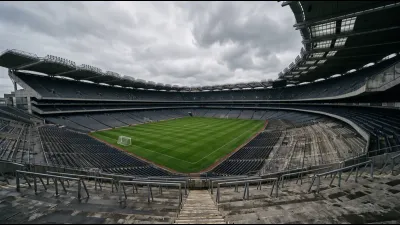
Croke Park Capacity, Ownership and Rule 42
Croke Park holds 82,300 — Ireland's largest and among Europe's biggest. Owned by an amateur association, and left out of Euro 2028 in its own city.