Wembley Stadium Capacity, Cost and Who Owns It
On this page7
Wembley Stadium holds 90,000. That makes it the largest stadium in the UK, the largest in Europe currently available at full size, and the eighth largest in the world.
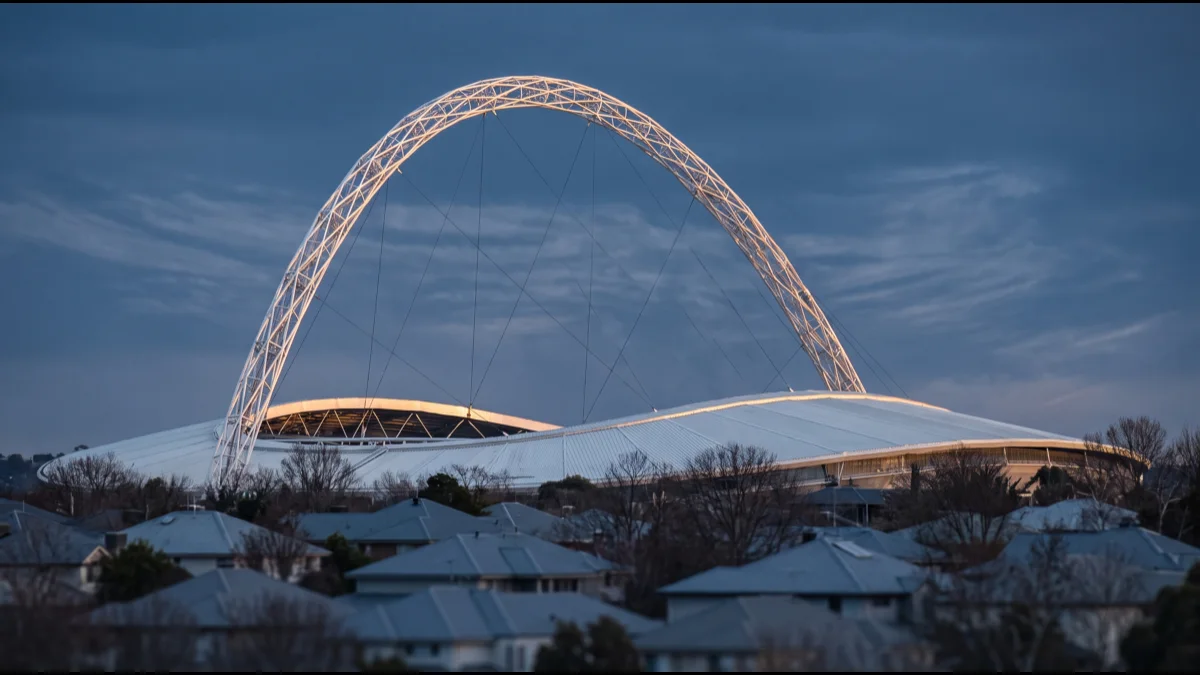
The capacity is the least interesting number attached to it. It cost £789 million to build against a total project estimate near £1 billion, it is owned outright by English football’s own governing body, and its roof is held up by a single 133-metre arch.
| Capacity | 90,000 (standard configuration) |
| Opened | March 2007 |
| Construction cost | £789 million |
| Total project cost | ~£1 billion |
| Owner | A subsidiary of the Football Association |
| Architects | Foster + Partners with HOK Sport (now Populous) |
| Arch | 133 m tall, tilted 22° from perpendicular |
| Naming rights | Never sold; branded “connected by EE” |
Why the capacity changes depending on the event
The 90,000 figure is for football and rugby in the standard configuration, with the full bowl in use and no structure on the pitch.
For concerts it is lower, because a stage occupies one end and part of the playing surface, removing sightlines from the seats behind it. That is the normal pattern at every large stadium, and it is the single most common cause of conflicting capacity figures online — a concert number and a football number for the same building are not comparable. Our guide to the biggest stadiums in the UK applies the standard-configuration rule for exactly that reason.
You will also see 90,652 cited. Both figures circulate; the operator publishes the round number.
What it cost, and why the two figures differ
£789 million is the construction cost. The figure of roughly £1 billion includes the redevelopment of local transport infrastructure and the cost of financing the project.
Both are correct, and the gap between them is the useful part. A stadium of this size is never just a building — Wembley required rebuilding the surrounding transport capacity to move 90,000 people, and that cost is real whether or not it appears in the construction line. When you see stadium costs compared, check whether infrastructure and financing are inside or outside the number.
At the time it opened in 2007 it was the most expensive stadium ever built — see our ranking of the most expensive stadiums, where Wembley still sits third on an inflation-adjusted basis. That record has since been comfortably passed — SoFi Stadium in Los Angeles reportedly cost around $5.5 billion — but the comparison is instructive about how quickly this category has inflated.
Who owns it, and why that is unusual
Wembley is owned by a subsidiary of the Football Association. English football owns its national stadium outright.
That is rarer than it sounds. Several major footballing nations play home fixtures in stadiums owned by clubs, cities or private operators, which means the governing body rents its own showpiece. The FA does not. An attempt to sell the stadium in 2018 did not complete, and ownership has stayed with the FA since.
The commercial consequence is that Wembley’s naming rights have never been sold. It is branded “Wembley Stadium connected by EE” — a sponsorship of the venue rather than a renaming of it. For a stadium of this scale that is close to unique, and it is why UEFA’s practice of stripping sponsor names for its tournaments changes nothing at Wembley while it renames three of the other Euro 2028 venues.
The arch is structural, not decorative
The arch stands 133 metres tall and is tilted 22 degrees from the perpendicular. It is the principal support for the roof.
That is the whole design argument. By hanging the roof from a single external arch, Foster + Partners and HOK Sport eliminated internal pillars, so there are no restricted-view seats anywhere in the bowl. In a 90,000-seat stadium that is a substantial achievement and the reason the arch exists at all — it is engineering that happens to be a landmark, not a landmark that happens to hold something up.
It is visible across much of north-west London and is lit for major occasions.
The stadium it replaced
The current Wembley stands on the site of the original 1923 stadium, known for its twin towers, which stood for around 80 years. The 1923 ground hosted the first FA Cup final at Wembley, the 1948 Olympics and the 1966 World Cup final.
Construction of the replacement began in 2002 and it opened in March 2007. The gap matters for anyone reading old attendance records: figures from before 2007 belong to a different building with a different, and at times far larger, official capacity under standing-era rules.
How Wembley compares
At 90,000 it sits second in Europe by design capacity and first among stadiums currently usable at full size, because Camp Nou is mid-rebuild — the reason the largest stadium in Europe has two defensible answers. Globally it ranks around eighth, behind several American college football stadiums and North Korea’s Rungrado, as set out in our ranking of the biggest stadiums in the world.
Within the UK its nearest rival is Twickenham at about 82,000, then Old Trafford at roughly 74,310. If Manchester United build their proposed 100,000-seat ground, Wembley loses the domestic record it has held since 2007.
How we checked these numbers
Capacity, opening date, ownership, architects and arch dimensions are from Britannica’s stadium entry, the stadium’s own history pages and Historic England’s centenary piece, cross-checked against Wikipedia. The construction and total project cost figures are as reported by those sources, and the distinction between them is stated because the two numbers are routinely quoted interchangeably.
Figures are for the standard football and rugby configuration. Concert capacities are lower and are not comparable.
Review class: stable, with an event-driven trigger — recheck on any ownership change, naming-rights sale, or confirmed capacity revision.
Frequently asked questions
What is Wembley Stadium's capacity?+
90,000 for football and rugby in the standard configuration, which makes it the largest stadium in the UK by roughly 8,000 seats over Twickenham. Some sources cite 90,652. Capacity is lower for concerts, where the stage occupies part of the pitch and one end of the bowl.
How much did Wembley Stadium cost to build?+
The construction cost was £789 million. The total project cost, including redevelopment of local transport infrastructure and the cost of financing, has been estimated at around £1 billion. That made it the most expensive stadium ever built at the time it opened in 2007.
Who owns Wembley Stadium?+
A subsidiary of the Football Association, which means English football owns its own national stadium outright — unusual among major footballing nations. An attempt to sell it in 2018 did not complete, and the FA has retained ownership since.
Why does Wembley have an arch?+
The arch is the principal support for the roof, which is why the stadium needs no internal pillars and every seat has a clear view. It stands 133 metres tall, is tilted 22 degrees from the perpendicular, and was designed by Foster + Partners with HOK Sport, now Populous.
Is Wembley the biggest stadium in Europe?+
It is the largest currently in use at full capacity, at 90,000. Camp Nou in Barcelona is larger by design, targeting 105,000 when its rebuild completes in 2027, but only about 62,652 seats are usable while construction continues. So Wembley is Europe's largest in practice and second on paper.
What is Wembley's official name?+
Wembley Stadium. It is commercially branded as Wembley Stadium connected by EE, a sponsorship arrangement rather than a full naming-rights sale — the stadium name itself has never been sold, which is rare for a venue of this size and age.
When did Wembley Stadium open?+
The current stadium officially opened in March 2007, with construction having begun in 2002. It replaced the original Wembley Stadium of 1923, famous for its twin towers, which stood on the same site for around 80 years before demolition.
Sources
Related stadiums & arenas guides
View all →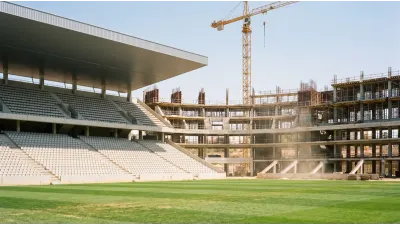
Camp Nou Capacity: 62,652 Now, 105,000 Later
Camp Nou will hold 105,000 when its rebuild finishes in 2027, but only 62,652 seats are in use today. The cost, the phases and the overrun explained.
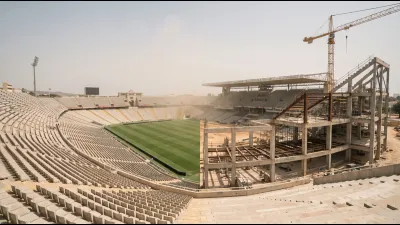
Largest Stadium in Europe: Two Correct Answers
Camp Nou is Europe's biggest on paper at 105,000 but only ~62,652 is usable mid-rebuild. Wembley is the largest actually in use. The full ranked table.
Largest NFL Stadiums 2026: All 30 Ranked by Capacity
MetLife Stadium is the largest NFL stadium at 82,500. All 30 venues ranked with capacity, year opened, construction cost and naming-rights holder.

What does a retractable-roof stadium cost?
Retractable roofs add a major premium to stadium construction. Here is how to compare roof cost, maintenance and the event value it creates.
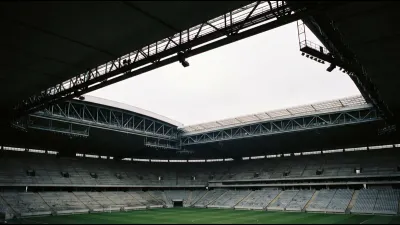
Principality Stadium Capacity: 73,931 and a Roof
Cardiff holds 73,931 for rugby and about 78,000 for boxing. And the famous rule that both teams must agree to close the roof no longer applies.
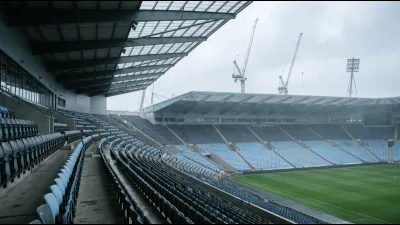
Biggest Stadiums in the UK: Why Every List Disagrees
Wembley leads at 90,000, but below the top five the order genuinely changes month to month. The published capacities, and the rebuilding wave behind the confusion.