Biggest Stadiums in Ireland: An Amateur Monopoly
On this page6
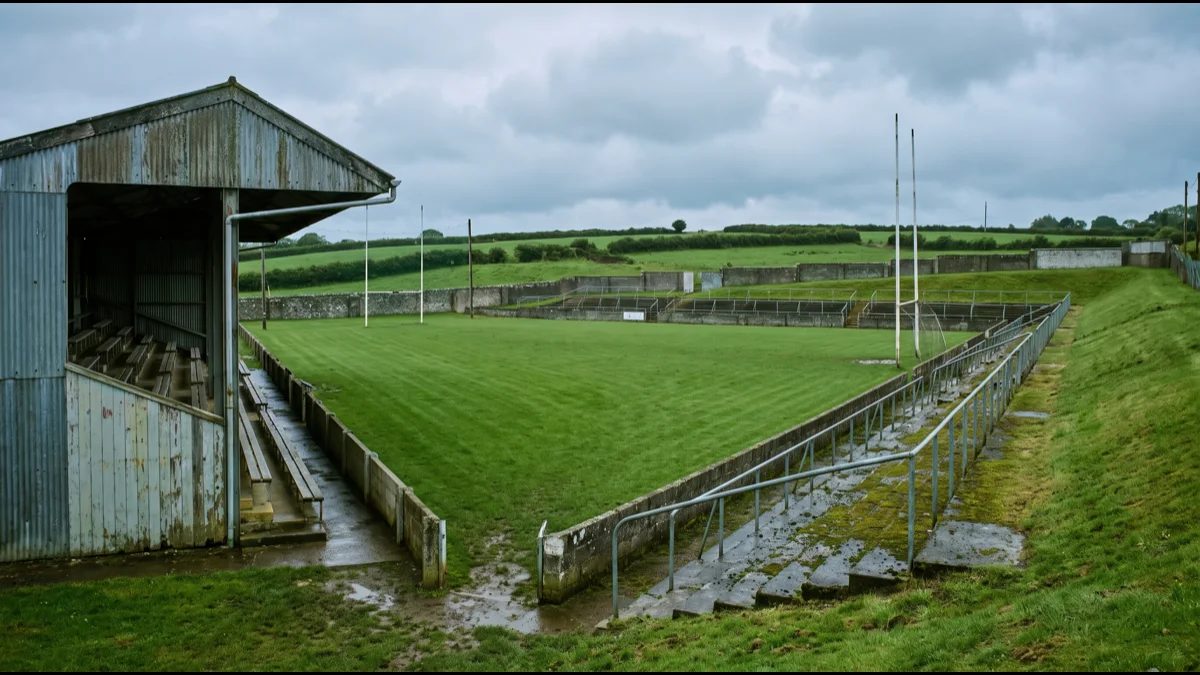
Croke Park is Ireland’s largest stadium at 82,300, more than 30,000 clear of anything else in the country.
But the ranking below contains a fact that is genuinely without parallel anywhere in world sport: eight of Ireland’s nine largest stadiums are owned by an amateur association whose players are not paid.
How we have ranked these
Capacity in the standard configuration, as published. This ranking covers the Republic of Ireland. Northern Ireland’s grounds — Casement Park, currently being rebuilt, plus Windsor Park and the Kingspan Stadium in Belfast — sit within the United Kingdom for ranking purposes and are all under roughly 20,000 in any case.
One important caveat stated up front: several of these grounds are not all-seater. Croke Park’s total includes the Hill 16 terrace, and Nowlan Park’s 27,000 includes only 18,000 seats. Capacity figures that include standing accommodation are not directly comparable with all-seater totals elsewhere, a definitional problem covered in our guide to the the UK capacity rankings.
The biggest stadiums in Ireland
| Rank | Stadium | Town or city | Capacity | Owner |
|---|---|---|---|---|
| 1 | Croke Park | Dublin | 82,300 | GAA |
| 2 | Aviva Stadium | Dublin | ~51,700 | FAI / IRFU joint venture |
| 3 | Gaelic Grounds | Limerick | 49,866 | GAA |
| 4 | Semple Stadium | Thurles | 45,690 | GAA |
| 5 | Páirc Uí Chaoimh | Cork | 45,000 | GAA |
| 6 | FitzGerald Stadium | Killarney | 38,000–39,120 | GAA |
| 7 | St Tiernach’s Park | Clones | 29,000 | GAA |
| 8 | MacHale Park | Castlebar | 28,000 | GAA |
| 9 | Nowlan Park | Kilkenny | 27,000 (18,000 seated) | GAA |
Only one ground in the top nine is not a GAA venue. Reporting on Irish stadium capacity consistently finds the same pattern across the top ten.
Why this is genuinely unusual
In most countries the largest stadiums belong to professional clubs, a national governing body, or the state. In Ireland they belong to the Gaelic Athletic Association — an amateur organisation whose footballers and hurlers are unpaid.
The reason is structural rather than accidental. Gaelic games are organised by county, and the championship structure sends provincial and All-Ireland fixtures to county grounds rather than concentrating everything in the capital. A county ground has to be able to hold a provincial final.
That is how towns the size of Thurles (Semple Stadium, 45,690) and Killarney (FitzGerald Stadium, up to 39,120) came to have stadiums larger than most professional football clubs in Europe. Thurles has a population in the low five figures and a stadium that would rank inside the top ten in England.
Croke Park itself is one of the four largest grounds in Europe, as set out in our ranking of the Europe’s biggest grounds — and it is owned outright by amateurs. Full detail on its ownership and the Rule 42 history is in our guide to Croke Park capacity.
The Aviva is the exception, and the Euro 2028 choice
The Aviva Stadium at roughly 51,700 is the only ground in the top nine outside GAA ownership. It is a joint venture between the FAI and the IRFU, opened on the former Lansdowne Road site, and hosts Ireland’s international football and rugby.
It is also Ireland’s only Euro 2028 venue, appearing under UEFA’s sponsor-free name as Dublin Arena. Croke Park, more than 30,000 seats larger and three kilometres away, was not selected — see our guide to the Euro 2028 venues.
So Ireland will host a European Championship in its second-largest stadium while its largest sits empty. Whatever the practical reasons, it is a striking outcome for a co-host nation.
Terracing, and why these numbers are not like-for-like
Several of these grounds retain substantial standing accommodation, which matters when comparing them internationally.
Nowlan Park is the clearest case: 27,000 total, 18,000 seated. A third of its capacity is standing. Croke Park retains Hill 16. Others have open grass banking that is counted in some figures and not others.
The practical consequence is that an Irish capacity figure and an English all-seater figure of the same number describe different buildings holding people in different ways. It is the same definitional trap that makes historic attendance records exceed modern capacities, covered in our guide to Old Trafford capacity, where a 1939 crowd of 76,962 beats today’s certified 74,310.
How we checked these numbers
Croke Park’s capacity is from its own site. GAA ground capacities are from Wikipedia’s list of GAA stadiums cross-referenced against the individual stadium entries for Semple Stadium, FitzGerald Stadium, Nowlan Park, St Tiernach’s Park and MacHale Park, with the overall ranking checked against Ireland Before You Die’s capacity list.
FitzGerald Stadium is given as a range because sources cite both 38,000 and 39,120 following the Dr O’Sullivan stand development. Where a ground’s total includes standing accommodation we have said so. Note that one widely circulated Irish capacity list is itself mis-ordered, placing Semple Stadium above the larger Gaelic Grounds — we have sorted on the figures rather than following the source order.
Review class: stable, with event-driven triggers — recheck on any redevelopment, on Casement Park’s completion, and if the Euro 2028 venue list changes.
Frequently asked questions
What is the biggest stadium in Ireland?+
Croke Park in Dublin, at 82,300, which is also one of the four largest stadiums in Europe. It is more than 30,000 seats larger than the Aviva Stadium, the next biggest ground in the country, and is owned by the Gaelic Athletic Association.
How many of Ireland's biggest stadiums are GAA grounds?+
Eight of the nine largest. Only the Aviva Stadium, in second place, is not a GAA venue. Reporting on Irish stadium capacity consistently finds that eight of the top ten are GAA grounds, which makes Ireland unique in having its major sporting infrastructure concentrated in amateur ownership.
What is the biggest stadium in Ireland outside Dublin?+
The Gaelic Grounds in Limerick, at 49,866. It is followed by Semple Stadium in Thurles at 45,690 and Páirc Uí Chaoimh in Cork at 45,000. All three are GAA county grounds and all three are larger than the biggest club football stadiums in Ireland.
Is the Aviva Stadium bigger than Croke Park?+
No. The Aviva holds about 51,700 against Croke Park's 82,300. That gap of more than 30,000 is why it is notable that the Aviva, and not Croke Park, was selected as Ireland's only Euro 2028 venue.
Are Northern Ireland's stadiums included?+
No. This ranking covers the Republic of Ireland. Northern Ireland's grounds — Casement Park, currently being rebuilt, along with Windsor Park and the Kingspan Stadium in Belfast — are part of the United Kingdom for ranking purposes, and all are under about 20,000 in any case.
Why are GAA county grounds so large?+
Because Gaelic games draw provincial and All-Ireland championship crowds to county venues rather than concentrating everything in one city. A county ground needs to hold a provincial final, which is why places like Thurles and Killarney have stadiums larger than most professional clubs in Europe.
How many of these grounds are all-seater?+
Few. Several retain substantial standing terracing, including Hill 16 at Croke Park and much of Nowlan Park, where 27,000 total capacity includes only 18,000 seats. That means capacity figures here are not directly comparable with all-seater totals elsewhere in Europe.
Sources
Related stadiums & arenas guides
View all →
Croke Park Capacity, Ownership and Rule 42
Croke Park holds 82,300 — Ireland's largest and among Europe's biggest. Owned by an amateur association, and left out of Euro 2028 in its own city.
Euro 2028 Venues: All Nine Stadiums Ranked
Euro 2028 uses nine stadiums across eight UK and Irish cities. Capacities, why UEFA renames them, and the big grounds that were left out.
Biggest Stadiums in Australia and New Zealand
The MCG holds 100,024 — more than Eden Park and Wellington combined. And almost every ground in the region has two capacities, which is why lists disagree.
Biggest Stadiums in the UK: Why Every List Disagrees
Wembley leads at 90,000, but below the top five the order genuinely changes month to month. The published capacities, and the rebuilding wave behind the confusion.
Who Owns the GAA: Its Own Members
Europe's fourth-largest stadium belongs to an amateur association run by volunteers. It turned €142m of revenue into a €3.7m surplus — on purpose.
Biggest Stadium in the US (2026): Top 20 by Capacity
Michigan Stadium is the biggest stadium in the US at 107,601. See the top 20 ranked with capacity, year opened, build cost, owner and naming rights.