Biggest Stadiums in Australia and New Zealand
On this page6
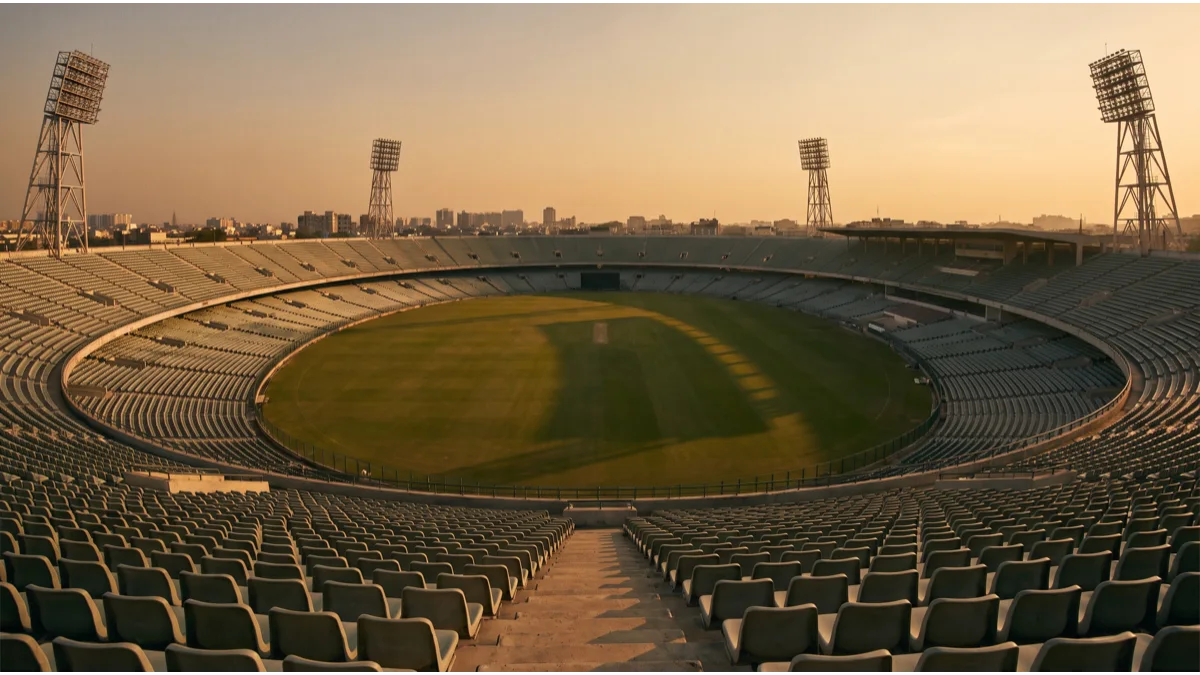
The Melbourne Cricket Ground holds 100,024 — more than Eden Park and Wellington Regional Stadium put together.
It is the only ground in Australia or New Zealand to pass 100,000, and the largest in Oceania.
The ranking
| Rank | Stadium | City | Country | Capacity |
|---|---|---|---|---|
| 1 | Melbourne Cricket Ground | Melbourne | Australia | 100,024 |
| 2 | Accor Stadium | Sydney | Australia | 83,500 |
| 3 | Optus Stadium | Perth | Australia | 60,000 |
| 4 | Lang Park (Suncorp Stadium) | Brisbane | Australia | 52,500 |
| 5 | Eden Park | Auckland | New Zealand | 50,000 |
| 6 | Sydney Football Stadium | Sydney | Australia | 42,500 |
| 7 | Wellington Regional Stadium | Wellington | New Zealand | 34,500 |
| 8 | Te Kaha | Christchurch | New Zealand | 25,000 |
Capacities are permanent sporting configuration, which is the only basis on which these grounds can be compared like for like. Several hold considerably more with temporary seating — see below.
Why this list differs from others
Almost every ground here publishes more than one number.
| Stadium | Published figures |
|---|---|
| Accor Stadium | 83,500 · also 83,000 expandable to 115,000 |
| Eden Park | 50,000 permanent · +10,000 temporary ≈ 60,000 |
| Te Kaha | 25,000 permanent · 30,000 with temporary · 37,000 concerts |
Rank on the higher figures and the order changes: Eden Park rises to joint third at 60,000, level with Optus Stadium, and Te Kaha climbs above nothing at all but looks 48% larger than it is for sport.
This is the single most common error in stadium rankings, and we have run into it in every region. The gap between Dortmund’s domestic 81,365 and its UEFA figure of 65,829 is the extreme case, covered in our guide to Signal Iduna Park capacity; Cardiff’s rugby capacity of 73,931 against roughly 78,000 for boxing is the same problem in miniature, in Principality Stadium capacity.
Ask which configuration a figure describes before comparing it to anything.
The Olympic legacy number
Accor Stadium’s second figure has a specific cause worth knowing.
Built as Stadium Australia for the 2000 Sydney Olympics, it has been reported as expandable to around 115,000 in that original configuration, against 83,500 today. The difference is temporary Olympic seating that was removed after the Games and permanent reconfiguration afterwards.
So a 115,000 figure for Sydney is not fiction — it describes a stadium that existed for about a fortnight in 2000. Quoting it as a current capacity is the mistake.
The same distinction applies to historic crowd records, where terraces held far more than seats ever will, covered in our guide to highest attendance records.
New Zealand’s newest ground
Te Kaha in Christchurch formally opened on 27 March 2026 — five months old at the time of writing, and absent from most rankings still in circulation.
It holds 25,000 permanently, 30,000 with temporary seating, and about 37,000 in concert configuration. That third figure is the one likely to appear in coverage, because concerts are what a mid-sized modern stadium is designed to attract.
It does not change the top of the table. It does mean New Zealand now has three grounds above 25,000 rather than two.
The regional shape
Australia’s stadium landscape is top-heavy in a way New Zealand’s is not.
Four Australian grounds exceed 50,000. New Zealand has one. The MCG alone is larger than any two New Zealand stadiums combined.
That reflects population and code structure rather than ambition: Australian rules football and rugby league sustain very large weekly crowds across multiple cities, while New Zealand’s rugby union calendar concentrates its biggest fixtures in Auckland.
For the wider picture, our rankings of the the UK capacity rankings and the Europe’s biggest grounds show how these figures compare internationally — the MCG would sit at the very top of either.
How we checked these numbers
The MCG’s 100,024 capacity and its status as the largest in Australia and Oceania, plus the Optus Stadium, Lang Park and Sydney Football Stadium figures, are from Sports Venue Guides’ Australian stadium rankings. Accor Stadium’s 83,500 and the 83,000-expandable-to-115,000 Olympic configuration are from Wikipedia’s Stadium Australia entry. Eden Park’s 50,000 permanent capacity plus 10,000 temporary seats and its status as New Zealand’s largest arena are from Wikipedia’s Eden Park entry, with Wellington Regional Stadium’s 34,500 and Te Kaha’s 25,000 permanent, 30,000 total and 37,000 concert figures and its 27 March 2026 opening from their respective entries.
Ranking is by permanent sporting configuration throughout. Where a ground publishes a higher figure with temporary seating or in concert mode we have given it in the text rather than the table, because mixing the two produces the disagreements this page exists to explain. A proposed Macquarie Point Stadium in Hobart is in planning; we have not included it, as no settled capacity is confirmed.
Review class: stable, with event-driven triggers — recheck on any published capacity revision, redevelopment, or the opening of a new major ground.
Frequently asked questions
What is the biggest stadium in Australia?+
The Melbourne Cricket Ground at 100,024, which is also the largest stadium in Oceania and the largest cricket ground in the world. Accor Stadium in Sydney is second at 83,500.
What is the biggest stadium in New Zealand?+
Eden Park in Auckland, with a permanent capacity of 50,000 and a further 10,000 temporary seats, taking it to roughly 60,000. It is the largest sports arena in the country by a wide margin.
How big is the MCG?+
100,024. It is the only ground in Australia or New Zealand to pass 100,000, and holds more than Eden Park and Wellington Regional Stadium combined.
What is Te Kaha stadium?+
Christchurch's new stadium, which formally opened on 27 March 2026. It has 25,000 permanent seats and 5,000 temporary, taking it to 30,000 for sport and about 37,000 in concert configuration.
Why do stadium capacity lists for Australia disagree?+
Because most of these grounds have more than one published figure. Accor Stadium is quoted at 83,500 and also as 83,000 expandable to 115,000; Eden Park at 50,000 and 60,000; Te Kaha at 25,000, 30,000 and 37,000. A list is only comparable if it says which configuration it used.
How does Stadium Australia's Olympic capacity compare?+
It was built for the 2000 Sydney Olympics and has been reported as expandable to around 115,000 in its original configuration, against 83,500 today. The gap is the temporary Olympic seating that was removed after the Games.
Is Eden Park bigger than Wellington Regional Stadium?+
Yes, substantially. Eden Park holds 50,000 permanently against Wellington Regional Stadium's 34,500, and the gap widens to about 25,000 when Eden Park's temporary seating is installed.
Sources
Related stadiums & arenas guides
View all →
Biggest Stadiums in Ireland: An Amateur Monopoly
Croke Park leads at 82,300, but the real story is that eight of Ireland's nine largest stadiums are owned by an amateur association.
Biggest Stadiums in the UK: Why Every List Disagrees
Wembley leads at 90,000, but below the top five the order genuinely changes month to month. The published capacities, and the rebuilding wave behind the confusion.
Euro 2028 Venues: All Nine Stadiums Ranked
Euro 2028 uses nine stadiums across eight UK and Irish cities. Capacities, why UEFA renames them, and the big grounds that were left out.
Biggest Stadium in the US (2026): Top 20 by Capacity
Michigan Stadium is the biggest stadium in the US at 107,601. See the top 20 ranked with capacity, year opened, build cost, owner and naming rights.

Largest NFL Stadiums 2026: All 30 Ranked by Capacity
MetLife Stadium is the largest NFL stadium at 82,500. All 30 venues ranked with capacity, year opened, construction cost and naming-rights holder.
Largest Stadium in Europe: Two Correct Answers
Camp Nou is Europe's biggest on paper at 105,000 but only ~62,652 is usable mid-rebuild. Wembley is the largest actually in use. The full ranked table.