Why Are Stadiums So Expensive to Build?
On this page6
TL;DR: Stadiums cost so much because they combine large structures with unusual spans, crowd safety systems, transport demands, specialist pitches, hospitality fit-outs and event technology. The headline budget can also combine construction, land, finance and infrastructure.
Readers usually ask for one number or one ownership label. The reliable answer needs a scope, a date and a named source, so this guide keeps those pieces together.
What is the short answer?
Stadiums cost so much because they combine large structures with unusual spans, crowd safety systems, transport demands, specialist pitches, hospitality fit-outs and event technology. The headline budget can also combine construction, land, finance and infrastructure. The table below separates the term readers see from the evidence needed to support it.
| Question or term | What it means | Evidence check | Reader action |
|---|---|---|---|
| Structure | Roof, bowl, circulation and foundations | Large spans require specialist engineering | Check the project scope |
| Safety | Egress, crowd control and accessibility | Capacity affects systems and staffing | Read the approval documents |
| Infrastructure | Roads, rail, utilities and public realm | Often reported outside the stadium contract | Separate site works |
| Operations | Technology, hospitality and pitch systems | Adds to fit-out and lifecycle cost | Do not compare unlike budgets |
Which source controls the answer?
Start with the governing body, organiser, venue, club, regulator or company filing named in the source panel. A search result can reveal how people phrase the question, but it cannot prove a current payment, ownership stake, capacity or fee.
What is commonly misunderstood?
The most common error is mixing unlike numbers. Gross income is not take-home pay, a sponsorship is not ownership, a public budget is not final spending, and a published capacity is not the attendance at every event.
How should the information be checked?
Record the source, date, scope, currency and definition beside every material figure. When an official source does not publish a number, the honest answer is that the number is undisclosed, not a precise estimate copied from an unsourced list.
What could change after publication?
Ownership, ticket rules, host agreements, tax treatment and event budgets can change without changing the URL. The next review should revisit the named entities and source links first, then update the visible date only if the article materially changes.
Frequently asked questions
Is the headline answer universal?
No. It depends on the edition, jurisdiction, contract, event configuration or legal definition used.
Are reported totals always comparable?
No. Check whether each total is annual, lifetime, gross, net, nominal, inflation-adjusted or tied to a different scope.
Can a club or organiser page be outdated?
Yes. Keep the date checked and prefer a newer official filing or announcement when the two conflict.
Should readers use a resale or social-media figure?
Only as a lead. Confirm the claim against the official source before using it as fact.
How often should this page be reviewed?
At the cadence in the metadata, and earlier when the source announces a material change.
Bottom line
The useful answer is the documented answer: a named entity, a defined number or status, a date and a source. That method keeps a sports-business explainer useful after the next contract, season or event announcement.
Related SportsLook reading
Frequently asked questions
What is the short answer?+
Stadiums cost so much because they combine large structures with unusual spans, crowd safety systems, transport demands, specialist pitches, hospitality fit-outs and event technology. The headline budget can also combine construction, land, finance and infrastructure.
Why can the answer differ by competition?+
Playing conditions can add, remove or clarify details around a general Law. The article names the format and points readers to the current official document.
Which source should readers check first?+
Start with the governing body or organiser source listed in the source panel, then check its publication date and competition scope.
Can a search snippet settle a decision?+
No. Search results establish intent. The umpire, organiser and current Laws or playing conditions decide the match.
When should this page be reviewed?+
Review it after an official Law, playing condition, ownership, payment formula or source changes, and at the stated editorial cadence.
Does this page replace professional advice?+
No. Use the qualified official, coach, scorer, tax adviser or ticket provider for a live decision.
Sources
Related stadiums & arenas guides
View all →
How Much Did the Aviva Stadium Cost? Building cost and scope
The Aviva Stadium’s reported construction cost depends on the year, currency and whether the figure includes land, enabling works, financing or only the main build. Use official project or government documents before repeating a headline total.
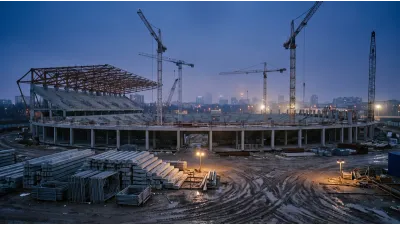
How Long to Build a Stadium: 26 Months or 12 Years
AT&T Stadium took 26 months. Croke Park took twelve years. The difference isn't engineering — it's whether the ground has to keep hosting matches.
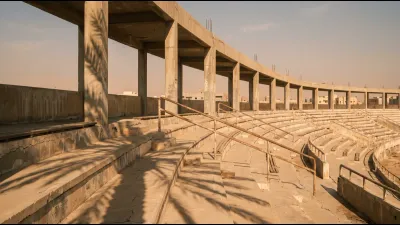
LA 2028 Venues: No New Stadiums, 35% Over Budget
Every LA 2028 venue, sport by sport — and why the first Games since London 1948 to build nothing has still gone from $5.3bn to $7.145bn.
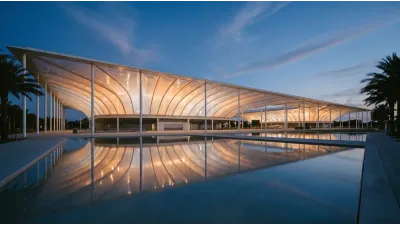
Most Expensive Stadiums Ever Built, and the Catch
SoFi Stadium cost $5.5 billion, more than double anything else. But most cost rankings quietly mix inflation-adjusted and nominal figures — here's both.
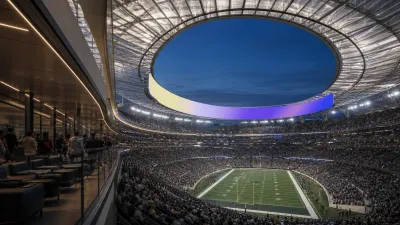
10 Most Expensive NFL Stadiums Ever Built
Rank the most expensive active NFL stadiums by original project cost, from $5.5B SoFi to the billion-dollar venues, with financing explained.
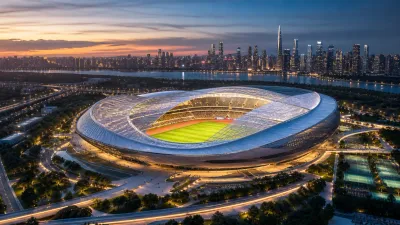
10 Most Expensive Stadiums in the World
SoFi Stadium is the world's most expensive at about $5.5 billion. Compare 10 costly stadium projects and see why published rankings differ.