Best Links Courses in Ireland: A Practical Shortlist for Golf Trips

On this page5
The best links courses in Ireland are not one permanent ranking. A useful shortlist balances championship history, coastal setting, design, visitor access and trip geography. Current 2026–27 Golf Digest coverage places courses such as Royal County Down, Ballybunion, Portmarnock, Lahinch, Waterville and the European Club in the leading conversation; check the club directly before paying. SportsLook also covers the oldest golf course, how to play Royal County Down, the cost to play St Andrews and New Zealand’s best golf courses.
Which Irish links courses belong on a first shortlist?
Royal County Down, Ballybunion, Portmarnock, Lahinch, Waterville and the European Club are strong starting points, but they serve different trips. Royal County Down is in Northern Ireland; the others sit in the Republic, so routing, currency and border logistics matter.
| Course | Best for | Verify before booking |
|---|---|---|
| Royal County Down | Championship history and scenery | Visitor days, handicap and Northern Ireland logistics |
| Ballybunion | Dramatic southwest links | Tee-time availability and caddie policy |
| Portmarnock | Dublin-area access | Visitor windows and travel time |
| Lahinch | Traditional west-coast links | Weather, transport and visitor rules |
| Waterville | Scenic southwest itinerary | Advance booking and green fee |
| European Club | Long, distinctive challenge | Walking demands and current access |
How should golfers compare links rankings?
Use rankings as discovery tools, not as a universal truth. Record the edition, panel, geography and whether the list combines Ireland with Northern Ireland, then check the course’s current conditions and access.
A course can rank highly yet be difficult to book, expensive or a poor fit for a golfer who prefers shorter walks or calmer weather.
What makes links golf different?
Links courses are generally built on coastal sand, with wind, firm turf, natural contours and fewer trees shaping strategy. The same course can play very differently by wind direction and tide-adjacent weather.
That is why a ranking position cannot substitute for a course fit decision. Match the layout to your handicap, walking preference and willingness to play in changing conditions.
What should visitors check before booking?
Confirm visitor dates, handicap rules, caddie requirements, dress code, walking or buggy policy, green fee, payment currency and cancellation terms. Ask whether the quoted price includes a caddie or trolley.
Build a regional itinerary instead of crossing the island between every round. A slightly lower-ranked course may produce a better trip if it fits the route and tee-time window.
How can golfers build a balanced Ireland trip?
Pair one headline course with accessible daily-fee links and allow weather flexibility. Keep a non-golf day for travel or sightseeing rather than forcing a round when wind or rain makes the experience unsafe or unenjoyable.
Frequently asked questions
Is Ireland or Northern Ireland better for links golf?
Neither is universally better. They offer different courses, travel routes, currencies and visitor rules.
Are the top courses affordable?
Some are expensive, especially at peak times. Compare shoulder-season rates and local daily-fee options.
Do I need a low handicap?
Some clubs set handicap limits or request proof; others are more flexible. Check each club.
Should I hire a caddie?
A caddie can improve local strategy and pace, but the club’s policy and your budget decide.
Can I play two courses in one day?
Usually it is better to allow travel and weather time, particularly for long coastal layouts.
How often do rankings change?
Major lists update on their own schedules, so label the edition and date whenever you cite one.
Ireland’s best links course is the one that fits your route, access, budget and appetite for coastal conditions. Use rankings to make a shortlist, then let official club information make the final decision.
Frequently asked questions
What are the best links courses in Ireland?+
Royal County Down, Ballybunion, Portmarnock, Lahinch, Waterville and the European Club are widely discussed leading options, but the best choice depends on access, location and playing style.
Is Royal County Down in Northern Ireland?+
Yes. It is on the island of Ireland but in Northern Ireland, so travellers should check border, currency and tee-time logistics.
Are Irish links courses open to visitors?+
Many are, but each club controls advance booking, handicap, caddie and visitor-day rules.
When is the best time to play?+
Shoulder seasons can offer better availability, while summer has longer days but higher demand; confirm weather and club calendars.
Do links courses require a caddie?+
Some recommend or require one for visitors, while others allow self-guided rounds. Check the club's current terms.
How should I compare rankings?+
Check the ranking date, criteria, geography and whether Ireland and Northern Ireland are combined before treating places as directly comparable.
Sources
Related guides

Best Golf Courses in New Zealand: A Practical Shortlist
New Zealand has more than 400 golf courses. This shortlist compares marquee and experience courses by setting, access, architecture and trip value.
How to Play Royal County Down: Visitor Tee Times, Fees and Rules
Planning Royal County Down requires the correct course, visitor window, booking route, handicap information and current fee. Use this practical guide before travelling.
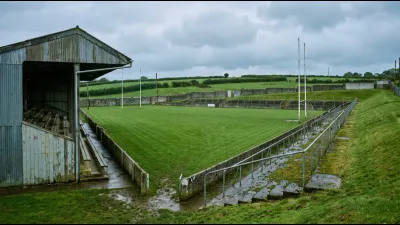
Biggest Stadiums in Ireland: An Amateur Monopoly
Croke Park leads at 82,300, but the real story is that eight of Ireland's nine largest stadiums are owned by an amateur association.
How Much Does It Cost to Play St Andrews? Old Course Green Fees
Old Course green fees vary by season and year. See the official St Andrews rates, ballot route, replay discount and what the price does not include.
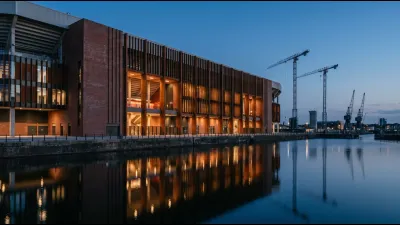
Euro 2028 Venues: All Nine Stadiums Ranked
Euro 2028 uses nine stadiums across eight UK and Irish cities. Capacities, why UEFA renames them, and the big grounds that were left out.

Who Owns the GAA: Its Own Members
Europe's fourth-largest stadium belongs to an amateur association run by volunteers. It turned €142m of revenue into a €3.7m surplus — on purpose.