Why Do Cities Stop Bidding for the Olympics? The cost-risk trade-off
On this page5
Cities withdraw Olympic bids when projected costs, public opposition, venue risk or long-term use no longer justify the expected benefits. A withdrawal is not proof that every Games loses money; it shows that the bid’s risk-adjusted case failed locally.
This guide separates the headline figure from the contract, budget or event definition behind it. Numbers without a date or scope are not reliable comparisons.
What is the short answer?
Cities withdraw Olympic bids when projected costs, public opposition, venue risk or long-term use no longer justify the expected benefits. A withdrawal is not proof that every Games loses money; it shows that the bid’s risk-adjusted case failed locally.
The answer should be read with its edition, season, currency and source.
| Term | Meaning | Evidence check | Reader action |
|---|---|---|---|
| Capital cost | Venues and transport | Overruns can change the case | Publish assumptions |
| Public consent | Referendums and political support | Support can shift during a bid | Check the date |
| Legacy | Post-event use and debt | Benefits are not automatic | Separate claims from audits |
Which source controls the answer?
Start with the organiser, league, federation, venue or government document. Search results help reveal intent but do not prove a payout, capacity, ticket price or cost.
What is commonly misunderstood?
A budget is not the same as final spending, face value is not resale price, and gross income is not take-home pay. Keep each category separate.
How should the page be updated?
Recheck the named source, date, scope and any changed rule or agreement. Do not refresh a number from an undated repost when the primary source is available.
Frequently asked questions
Is the headline amount universal?
No. It depends on the edition, contract, configuration or jurisdiction.
Does the figure include fees or tax?
Not unless the source says so.
Can old figures be compared directly?
Only after adjusting for currency, time and definition.
Who should readers trust?
The named official organiser, governing body, venue or public record.
How often should it be checked?
At least annually, and sooner after a material announcement.
Bottom line
Use a dated, scoped source and label uncertainty. That makes the answer useful without pretending that every sports-money or event figure is permanent.
Related SportsLook reading
Frequently asked questions
What is the short answer?+
Cities withdraw Olympic bids when projected costs, public opposition, venue risk or long-term use no longer justify the expected benefits. A withdrawal is not proof that every Games loses money; it shows that the bid’s risk-adjusted case failed locally.
Why can figures or advice differ?+
Rules, dates, player fit and source scope differ, so this page states its assumptions.
What should I verify first?+
Check the current official source and the rules for the actual event, match or player.
Can this replace professional advice?+
No. Use a qualified coach, fitter, scorer or adviser when safety or legal obligations are involved.
When should this page be updated?+
Review it after an official rule, price, payout, standard or source changes.
Are search snippets evidence?+
No. Search results show intent; the named primary sources support material claims.
Sources
Related guides
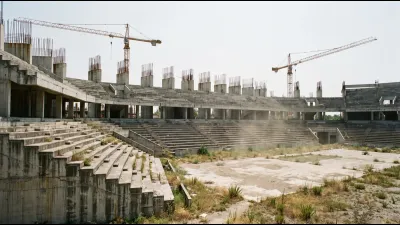
Cost to Host the Olympics: Every Games Goes Over
Every host city since the 1960s has exceeded its budget. Rio by 352%, Tokyo 280%. LA 2028 is already at $7.145bn — and the Games haven't started.
How Much Does a Commonwealth Games Cost?
There is no single Commonwealth Games price tag: the host budget, venue programme, transport, security and operating costs are reported differently. A responsible estimate names the edition, currency and whether it is a public budget or a final outturn.
How Does NIL Work in College Sports? A practical guide
NIL is compensation for an athlete’s name, image or likeness, not pay for a particular play or guaranteed performance. The NCAA requires reporting and a real promotional purpose for covered third-party deals.
How Much Do Stadium Naming Rights Cost? A deal-structure guide
Stadium naming-rights prices vary with audience, market, contract length, exclusivity and activation rights. A reported total value is not the same as an annual fee, and many agreements are private.

Best April Skiing in Europe: Resorts, Snow and Spring Conditions
April skiing in Europe is a timing decision. Compare high-altitude resorts, glaciers, closing dates and spring conditions before booking a late-season trip.

Best Late-Season Ski Resorts: Where Snow Lasts Into Spring
Late-season skiing works best at high-altitude and glacier resorts. Compare closing dates, terrain, snow conditions and flexible booking before you go.